John Mosby looks at the way we’ve envisioned the end of our world, what lies in the aftermath… and why catastrophe is catnip for the entertainment industry…
The ‘End‘ being nigh is nothing new. Just as H G Wells wrote of our planet being watched ‘with envious eyes‘ by our Martian neighbours, every generation has looked to the future with a fearful feeling or over its shoulder for something that could be closer than it appears and when we entered the 21st century there was an introspective feeling that the future was either rocket-ships or rubble. In fiction – which, at its best, tends to reflect at least some aspects of current reality – it has proven a rich seam to mine.
Nowadays, the multiplex screens and tv schedules are looking more like the Book of Revelations, plenty of people with furrowed brows are fighting off impending doom, though with the multitude of chaos, no-one seems to agree on what form the most successful apocalypse will take. Even the real-life news reports offer little solace. One minute it’s concerns over AI, then it’s war over oil, land or ego. That’s not to mention deadly viruses rearing their heads and the return of illnesses that really shouldn’t have made a comeback… and let’s not even get started on the weather… The ‘End‘ is fertile ground – if that’s not somehow another contradiction in terms.

Hollywood loves a good disaster (as long as it’s not financial) and as VFX became better the process evolved from destroying mere buildings, airplanes and ships into full-on potential extinction events. Aliens have often arrived to educate or conquer and they marred festivities with a more violent close encounter in 1996’s Independence Day. Like waiting for buses we suddenly had two asteroids heading our way in 1998 with Armageddon and Deep Impact, The Day After Tomorrow (2004) put us all on ice and, of course, sentient AI discovered time-travel in the Terminator franchise, (offering repeated, sometimes diminishing returns since the 1980s).
All stories of adversity need the obstacle or threat which must be overcome and the dynamics by which that is achieved. Almost all the stories have used the dramatic backdrop to frame the foreground drama, but whether it be all-out science-fiction or a more subtle contemporary story with a prophetic twist, the secret to success is often letting the VFX be the decoration and hook, but making the real story be the relatable relationships and the basic human condition.
TV ain’t what it used to be… or when. John Mosby notes how size, cost, output and delivery options have reshaped the entertainment landscape forever…
We’re living in a golden age of television drama. There might be some who disagree with that statement, but they’re wrong.
In the modern landscape there’s just about something for everyone. You may have to pay extra to get it, but it’s there. Yes, there’s still a ton of dross to wade through and still a tendency for new shows to need a strong start or face the axe in a competitive market. There’s also an imperative to brand-loyalty and minor variations on a theme (hence the proliferation of franchises such as NCIS , the Chicago… shows and the Law & Order legal universe). However, with entertainment no longer limited to a finite number of networks, the advent of streaming has seen a lot of money being put into big-budget, high-profile productions that would once only be the purview of big-screens outings.
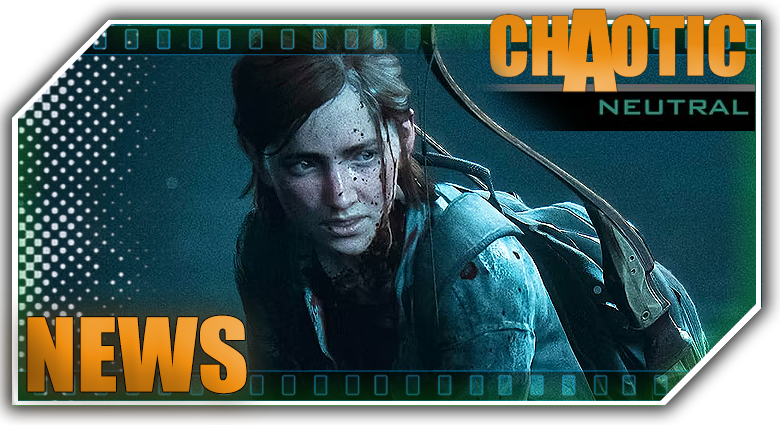
HBO was arguably the first out of the gate. Its break-the-bank, break-the-mold titles started with the likes of prison-set Oz running from 1997 to 2003, WWII epic Band of Brothers (2001), police drama The Wire (2002-2008), the funeral-home-set Six Feet Under (2001-2005) and Carnivàle (2003-2005) all distinctive, edgy dramas that would never have made it to air on the more risk-averse, FCC-regulated networks. Gangster-chic The Sopranos (1999-2007) and dust-drenched western Deadwood (2004-2006) followed and we’ve continued with the likes of sex-and-sandals in Rome (2005-2007),dragons and danger in the land of Westeros (both Game of Thrones (2011-2019) and current prequels House of the Dragon and A Knight of the Seven Kingdoms), the deep-dive digital threat of Westworld (2016-2022) and – of course – current apocalyptic game adaptation The Last of Us… all bringing in stellar numbers and plaudits.
Elsewhere, AMC has given us various The Walking Dead series, Breaking Bad (2008-2013), Mad Men (2007-2015) and Better Call Saul (2015-2022). Netflix gave us classic including (but not limited to) Mindhunter (2017–2019), Outlander (2014-2026), The Lincoln Lawyer (2022-present) and, of course, Stranger Things (2016-2025). Amazon‘s treasure trove includes Bosch (2014-2021) which has produced two spin-offs with more to come), Tom Clancy’s Jack Ryan (2018-2023 and back with a tv film next month) and Reacher (2022-present).
Severance (one of Apple TV‘s hits) had a near three year gap between its first and second season, with COVID being a factor in the length of that break.
On Disney+, the first season of critically-acclaimed Andor ran between September and November 2022 but its second had to wait until April 2025 to debut. It was worth waiting for, but… it would have been even better if we hadn’t had to. The Handmaid’s Tale managed a yearly output of ten episodes for each of four seasons then had a gap of over two and a half years for its fifth run. Even by modern standards, Severance had a mighty gap between its first and second season – the S1 finale airing in 2022 and the second reaching the screen in 2025. Squid Game gave it a run for its money at nearly three years and Arcane had a similar gap (though, to be fair, animated fare legitimately takes much longer to produce).
That’s quite a collection – and that’s just scratching the surface. [ READ MORE >>> ]